27 May 2026
UK Gambling Commission Delays Full Rollout of Financial Risk Assessments

The UK Gambling Commission postponed its decision on the full implementation of Financial Risk Assessments after a board meeting on 21 May 2026, stating that it had reviewed an extensive evidence base but had not yet fully completed its assessment. The move affects measures originally outlined in the 2023 Gambling Act reforms, where operators would need to evaluate customers' financial circumstances during online betting activity.
Officials noted that while data collection from earlier stages had provided substantial material, further analysis remained necessary before any final determination. This approach follows a structured review process that began with a pilot program launched in 2024.
Background on the Proposed Assessments
Financial Risk Assessments, also called affordability checks, emerged as part of broader efforts to strengthen player protections within the regulated UK gambling sector. The framework would require operators to request financial documentation, such as bank statements or payslips, once certain deposit or loss thresholds were reached during customer sessions.
Those thresholds aimed to identify patterns where continued betting might exceed what individuals could reasonably afford. The pilot phase tested these triggers across selected operators, collecting data on how often interventions occurred and how customers responded to information requests.
Pilot Program Outcomes
Data from the 2024 pilot indicated that only 3% of active customers would trigger interventions under the proposed criteria. This figure emerged after operators monitored real-world betting patterns and applied the assessment rules during the trial period. Observers noted that the low percentage suggested most accounts would proceed without additional checks, though the remaining share could face requests for supporting documents.
The results fed into the evidence base reviewed during the May 2026 board meeting. Commission representatives confirmed that this dataset, alongside submissions from multiple stakeholders, formed the core material under consideration.
Stakeholder Responses and Concerns
Significant opposition arose from gambling operators, cross-party MPs, and representatives from the racing industry ahead of the board meeting. These groups highlighted potential consequences, including the risk that stricter checks might push some customers toward unregulated platforms operating outside UK oversight.
Industry bodies pointed to operational challenges, such as the administrative burden of processing financial documents at scale and the possibility of reduced customer engagement on licensed sites. Politicians raised questions about proportionality, while racing stakeholders expressed worries over funding streams that rely on betting activity within the regulated market.
Survey Data on Customer Willingness
A separate survey conducted by the Betting and Gaming Council found that 65% of punters would refuse to provide financial documents if required to continue betting. The findings, drawn from responses across a sample of regular gamblers, illustrated potential friction points in the assessment process. Researchers linked this reluctance to privacy considerations and the extra steps involved in verification.
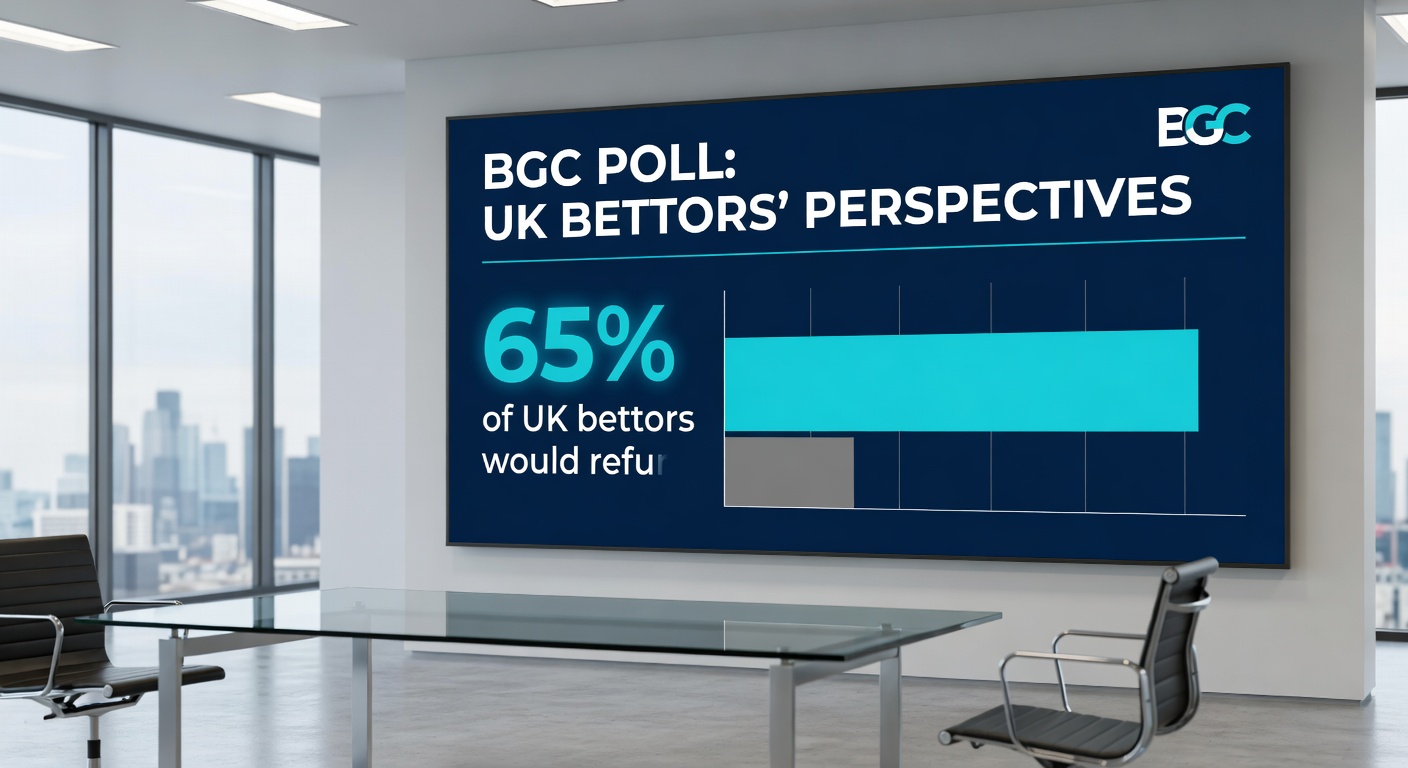
Those conducting the survey noted that such resistance could affect how operators implement checks in practice. The data added another layer to the evidence already gathered through the pilot, showing customer behavior patterns beyond transaction monitoring alone.
Context of the Delay Decision
During the 21 May 2026 meeting, commissioners determined that additional time was required to complete the full assessment of all submitted materials. The statement released afterward emphasized the volume of evidence reviewed to date while confirming that no final policy position had been reached.
This decision keeps the existing pilot framework in place for the interim period. Operators continue to operate under current rules, with no immediate changes to customer verification processes mandated across the wider market.
Next Steps and Ongoing Review
The Commission has indicated that further internal analysis will proceed without a set public deadline for the next update. Stakeholders who provided input during the consultation window may receive opportunities to respond to any additional queries that arise during this extended evaluation phase.
Those monitoring the process expect continued dialogue between regulators, operators, and consumer groups as the remaining assessment work continues. The pilot results and survey statistics remain available as reference points for any future discussions on implementation timelines.
Conclusion
The postponement announced after the 21 May 2026 board meeting maintains the status quo while the UK Gambling Commission completes its review of Financial Risk Assessments. The 3% intervention rate from the pilot and the 65% refusal figure from the linked survey form part of the documented evidence base informing this extended timeline. Updates on the assessment outcome will depend on the conclusion of the remaining analytical work.