UK Bettors Draw Line at Sharing Bank Details for New Gambling Affordability Checks
9 Apr 2026
UK Bettors Draw Line at Sharing Bank Details for New Gambling Affordability Checks

Survey Uncovers Strong Resistance Among Bettors
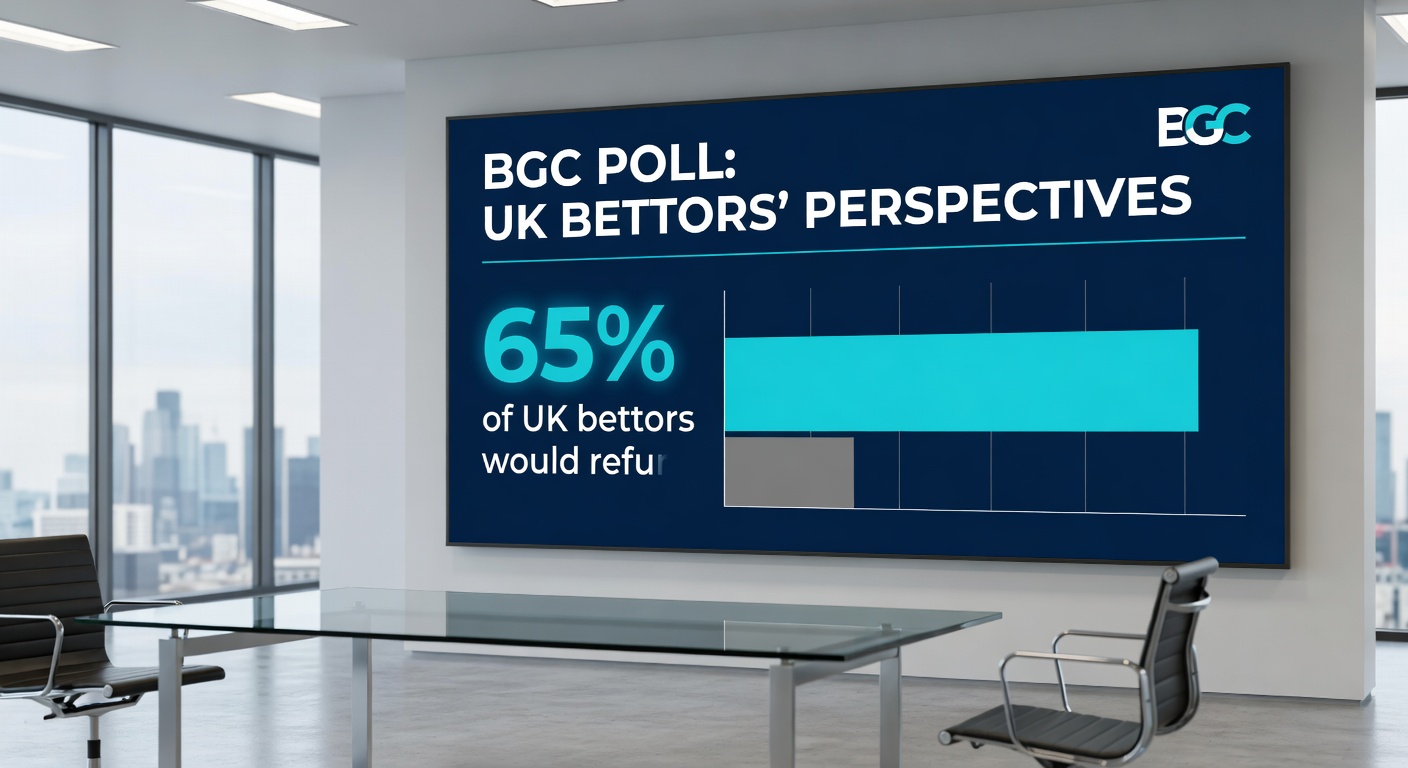
A recent poll of over 2,000 UK betting customers, conducted by the Betting and Gaming Council, reveals that nearly two-thirds—65% exactly—would refuse to provide bank statements or other financial documents for the proposed online gambling affordability checks; these checks, pushed by the Gambling Commission, mirror mortgage-style assessments where operators scrutinize spending habits to prevent problem gambling.
Turns out, punters see this as crossing a privacy line, with many viewing the demands for detailed financial histories as intrusive, especially since the checks could flag losses over certain thresholds like £1,000 a month or £5,000 over six months; data from the survey highlights how this reluctance stems from concerns over data security and personal boundaries, although regulators argue it's essential for protecting vulnerable players.
What's interesting here is the breadth of the sample—over 2,000 regular bettors from across the UK, spanning casual football fans to dedicated horse racing enthusiasts—showing resistance isn't limited to any one group but cuts through the entire betting community; researchers note that such widespread pushback could complicate enforcement when these rules roll out.
Industry Heavyweights Sound Alarm on Black Market Risks
Industry figures waste no time rallying against the reforms, as over 400 racing professionals—including trainers Lucinda Russell and Robert Waley-Cohen—pen an open letter to Culture Secretary Lisa Nandy, warning that forcing punters to share sensitive financial info will drive them straight to illegal black market operators; estimates from these experts peg the fallout at £250 million lost to British horse racing and another £200 million in vanished tax revenue, figures that underscore the high stakes for a sector already navigating tight margins.
But here's the thing: those who've studied underground betting markets point out how similar crackdowns elsewhere—like in parts of Europe—led to a surge in unlicensed sites offering no checks but higher risks, including rigged odds and no consumer protections; observers note that UK punters, faced with paperwork hassles on licensed platforms, might opt for offshore alternatives that skirt regulations entirely, especially since black market ops often promise anonymity without the affordability scrutiny.
Take the racing pros' letter; it doesn't mince words, emphasizing how levy-funded prize money—vital for tracks and stables—relies on legal betting volumes, and with punters fleeing, the ecosystem crumbles; data indicates horse racing contributes billions to the economy annually, so these projected losses hit hard, from job cuts at training yards to reduced purses for jockeys striving in Cheltenham or Ascot showdowns.
Gambling Commission Data Echoes Bettor Sentiment
Additional research from the Gambling Commission itself, drawn from 12,000 frequent gamblers, backs up the BGC findings with over three-quarters—75% precisely—opposing the checks; this larger dataset, focused on high-volume players who bet regularly, reveals patterns where privacy trumps protection, as many report they'd simply switch platforms rather than comply, aligning with the two-thirds refusal rate from the BGC poll.
Studies like this one dig deeper, showing how frequent gamblers—those wagering weekly or more—feel the checks unfairly target responsible bettors while failing to catch true problem cases; evidence suggests enhanced friction testing or spending caps might work better, but the mortgage-style deep dives into bank records spark the most backlash, with participants citing fears of data breaches or judgments on everyday finances like bills and groceries mixed in with betting spends.
And yet, regulators press on, citing separate prevalence surveys where problem gambling affects around 0.5% of adults, though critics argue the cure—mandatory financial disclosures—could harm far more by alienating the 99.5% who bet responsibly; it's noteworthy that both datasets converge on this opposition, painting a unified picture of bettor frustration as implementation dates approach.
Economic Ripples Threaten Racing and Treasury
The potential £250 million hit to British horse racing looms large, as legal betting fuels everything from summer festivals to winter Nationals, with trainers like Russell—who's saddled Grand National winners—highlighting how lost punter spend directly slashes sponsorships and attendance; figures reveal racing's levy system redistributes about 10% of bookmaker profits back into the sport, so a black market exodus disrupts that flow, leaving smaller yards vulnerable while big operations scrape by.
Similarly, the £200 million tax revenue shortfall alarms Treasury watchers, since remote gambling duties rake in over £3 billion yearly; experts who've modeled these scenarios warn of cascading effects, like reduced VAT from racecourse visitors or corporation tax from betting firms scaling back UK ops, and although some revenue might shift to enforcement against illegals, the net loss remains steep based on precedents from other regulated markets.
People in the know often point to Australia, where strict checks correlated with black market growth to 20% of total wagers; UK observers draw parallels, noting how tech-savvy punters use VPNs to access unregulated sites, bypassing geo-blocks and checks alike, which not only evades taxes but exposes players to scams without the redress schemes licensed operators provide.
Timeline Points to April 2026 Showdown
These reforms, part of the broader Gambling Act review, target a phased rollout with full affordability checks mandated by April 2026, giving operators time to build systems while punters brace for change; Gambling Commission consultations outline tiered thresholds—lower for enhanced checks, higher for full financial reviews—but the BGC survey suggests compliance will falter, potentially overwhelming support teams with refusals and disputes.
Now, as trials emerge in coming months, early pilots show friction: one operator reported 40% drop-off rates during voluntary checks, hinting at the scale of resistance ahead; researchers tracking this predict a compliance patchwork, where big shops like Betfair or Betfred adapt with user-friendly portals, but smaller sites struggle, further tilting the field toward black market lures.
That's where the rubber meets the road for policymakers like Lisa Nandy, who must weigh bettor surveys against harm reduction goals; data from 12,000 gamblers reinforces the dilemma, as opposition holds steady across demographics, from young football bettors to seasoned turf accountants who've navigated regs for decades.
Stakeholders Weigh In on Path Forward
Racing pros aren't alone; the BGC champions alternatives like behavioral analytics—AI spotting unusual patterns without bank dives—and points to voluntary tools already curbing 80% of harm cases per their reports; trainers echo this, arguing self-exclusion or deposit limits suffice, preserving the social side of betting that draws crowds to tracks weekly.
Even Gambling Commission insiders acknowledge tweaks, with recent white papers floating opt-in models or third-party verification to ease privacy pangs; yet the core proposal persists, driven by parliamentary pressure post-scandals where a few high-rollers lost millions, though stats show most bettors stay within affordable bounds year-round.
One case stands out: a veteran punter in the BGC poll shared how past credit checks for loans felt invasive enough, let alone for a weekend flutter; stories like his multiply in the data, fueling calls for proportionality where checks hit only red flags, not every £20 accumulators.
Wrapping Up the Pushback
As April 2026 nears, this survey-driven revolt—from 65% refusal in the BGC poll to 75% opposition among 12,000 frequent gamblers—signals a brewing clash between player privacy and regulatory zeal; industry warnings of £450 million combined losses to racing and taxes add urgency, with over 400 pros urging a rethink to keep punters onshore and protected.
The reality is clear in the numbers: bettors won't hand over statements easily, black markets beckon for the reluctant, and while harm prevention matters, the data urges balanced paths forward; stakeholders watch closely, knowing the next moves could reshape UK gambling for years, balancing fun, fairness, and the fragile finances of a key leisure pursuit.
Figures don't lie, and right now, they spell resistance.