UK Betting Industry Sounds Alarm: Affordability Checks Spark Black Market Fears and Widespread Pushback
13 Apr 2026
UK Betting Industry Sounds Alarm: Affordability Checks Spark Black Market Fears and Widespread Pushback

The Poll That Shook the Industry
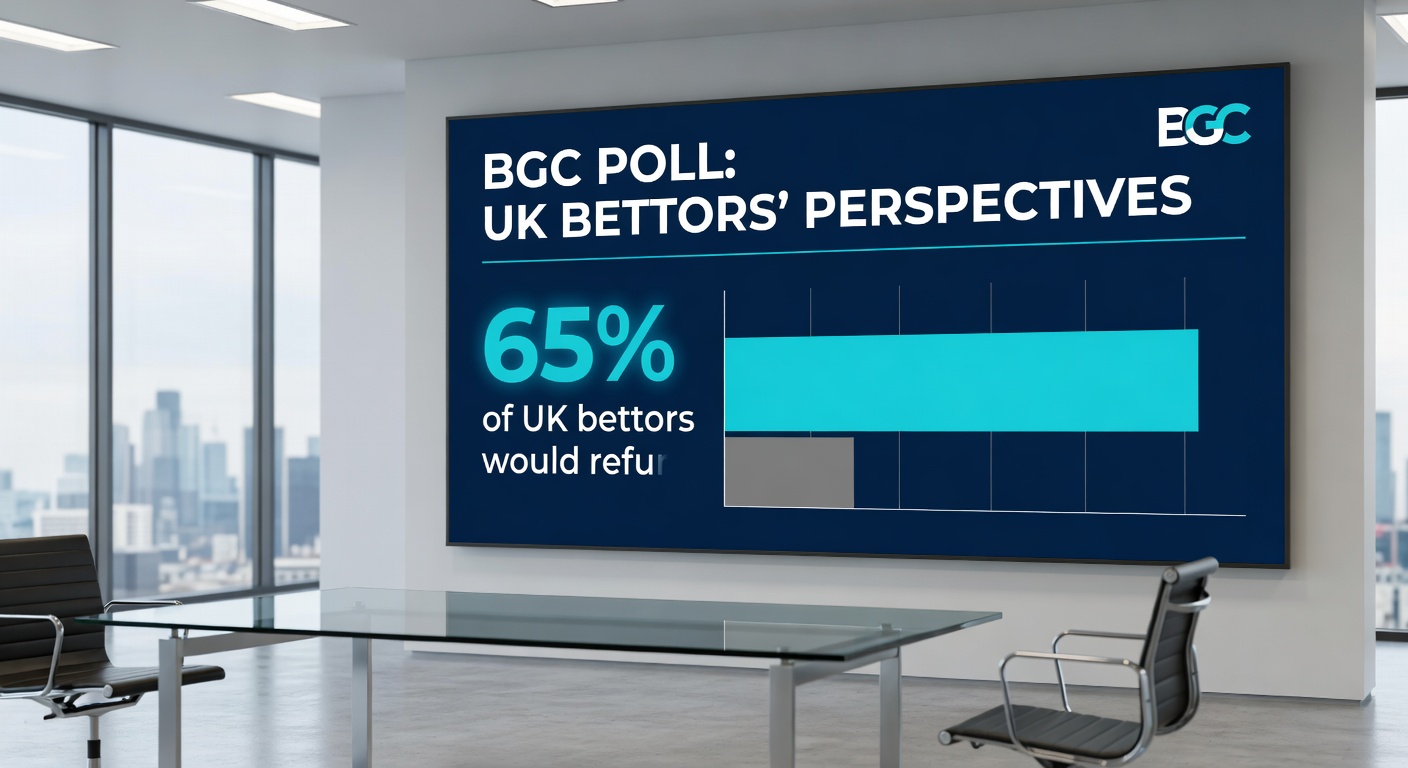
A recent poll commissioned by the Betting and Gaming Council (BGC) uncovers stark resistance among UK bettors, with 65% stating they would refuse to submit personal financial documents like bank statements and payslips just to keep gambling; this revelation highlights deep-seated concerns that upcoming affordability checks could shove players straight into the arms of unregulated black market operators, where protections simply don't exist.
Experts who've tracked gambling trends note how such checks, designed to flag potential problem gambling by scrutinizing spending habits, now face backlash because they demand intrusive access to private financial data, something many everyday punters view as a step too far; data from the poll indicates bettors prioritize privacy, and while regulators push for safer play, the numbers suggest a real risk of driving activity underground.
But here's the thing: those surveyed represent a cross-section of regular bettors, people who wager on football matches or horse races without issue, yet they'd rather walk away from licensed sites than hand over sensitive info; observers point out this isn't about dodging responsibility but about drawing a line at what feels like overreach, especially since black market sites offer no limits on deposits or age verification.
Industry Leaders Rally with Open Letter
The British Horseracing Authority (BHA), teaming up with 408 prominent figures from across the betting landscape, fired off an open letter to Culture Secretary Lisa Nandy, calling for an immediate pause in the rollout of these affordability checks; this collective plea underscores the urgency, as the UK Gambling Commission (UKGC) gears up for full operator compliance by the third quarter of 2026, all stemming from commitments in the 2023 Gambling Act Review White Paper.
Figures reveal the letter's signatories span trainers, jockeys, bookmakers, and track officials, people whose livelihoods hinge on a vibrant, regulated racing scene; they argue that without a rethink, punters will flock to offshore operators immune to UK rules, a shift that could cripple legitimate businesses while leaving vulnerable players exposed to scams and addiction without safeguards.
Take one trainer who's signed on: they've seen attendance drop at tracks already strained by economic pressures, and now this regulatory wave threatens to accelerate the exodus; researchers studying industry impacts have observed similar patterns in other regulated markets, where strict ID checks correlated with spikes in illegal betting volumes.
Regulatory Timeline Looms Large
Under the 2023 Gambling Act Review White Paper, the UKGC mandates that operators implement affordability checks progressively, culminating in full enforcement by Q3 2026, a deadline that has operators scrambling to balance compliance with customer retention; these checks require assessing a punter's disposable income and net worth before allowing higher stakes, often pulling in documents that bettors see as nobody's business but their own.
And while the intent centers on preventing gambling harm—studies show problem gambling affects around 0.5% of adults, though broader risks touch millions—the mechanics involve friction that the BGC poll quantifies directly; operators must now integrate these into apps and sites, verifying data through credit agencies or direct uploads, processes that slow down play and erode trust.
What's interesting is how this fits into broader reforms: stake limits on slots already rolled out, age verification trials underway, and now affordability front and center, all while the government eyes protecting consumers without kneecapping a £14 billion industry that employs tens of thousands.
Tax Hikes Pile on the Pressure
Compounding these worries comes the Remote Gaming Duty hike to 40% effective April 1, 2026, a move that slashes operator margins just as affordability rules demand costly tech upgrades and compliance teams; industry data indicates this double whammy could force closures or price hikes, nudging more bettors toward tax-free black market alternatives that promise better odds and no paperwork.
Those who've crunched the numbers say licensed sites already operate on thin margins—around 5-10% profit before tax—and with duties jumping from 21%, the math doesn't add up for smaller players; punters, sensing squeezed value, might dip into unregulated apps advertising via social media, where wins go unpaid and data gets sold off without a second thought.
Yet regulators counter that stronger checks reduce long-term societal costs from gambling harm, citing figures like £1.2 billion in annual problem gambling expenses; still, the BGC poll's 65% figure paints a picture of immediate flight risk, especially among casual bettors who bet £10-50 per race or match.
Black Market Migration: A Real Threat?
Observers who've monitored offshore betting trends warn that affordability checks mirror failed experiments elsewhere, like Australia's self-exclusion trials where illegal volumes surged 20%; in the UK context, estimates suggest the black market already claims 10-15% of bets, a share that could double if 65% of compliant punters bail as the poll predicts.
People often find that unregulated sites lure with lax limits and crypto payments, drawing in everyone from high rollers to weekend warriors avoiding KYC hassles; one case study from recent enforcement actions revealed £100 million wagered illegally last year, with operators busted for targeting UK players sans licenses.
That's where the rubber meets the road: licensed firms invest in responsible gambling tools—self-limits, reality checks, deposit caps—while black market outfits exploit the very vulnerabilities these rules aim to curb; the BHA letter emphasizes pausing to consult stakeholders, refining checks to target high-risk play without alienating the 95% who gamble responsibly.
Stakeholder Reactions and Broader Context
Government officials, including Lisa Nandy, face mounting pressure to respond, with parliamentary debates scheduled as the 2026 deadlines approach; trade bodies like the BGC push for frictionless alternatives, such as behavioral analytics over document dumps, arguing data already shows most harm stems from a tiny fraction of players.
So now, as April 2026 nears with its tax sting, operators test pilot programs, tweaking interfaces to make checks less painful—think soft prompts before hard verifies; bettors in focus groups echo the poll, saying they'd switch apps in a heartbeat if asked for payslips upfront.
It's noteworthy that horseracing, contributing £3.7 billion to the economy, stands particularly vulnerable; tracks rely on on-course and online betting, and any punter exodus hits prize money pots, trainer fees, even rural jobs in a sector that's no stranger to tight regulations.
Conclusion
The BGC poll's revelation—that 65% of UK bettors won't share financial docs—collides head-on with the UKGC's 2026 affordability mandate and the April tax hike, fueling an industry-wide scramble evidenced by the BHA's open letter backed by 408 voices; while regulators chase harm reduction, data underscores the tightrope between safety and accessibility, with black market shadows lengthening if tweaks don't come soon.
Stakeholders watch closely, knowing the next moves will shape whether licensed betting thrives or fragments; turns out, in gambling's high-stakes game, getting the balance right isn't rocket science, but it demands listening to the punters footing the bill.