20 Jul 2026
Tracing Incentive Pathways Across Racket, Combat, and Cue Disciplines Through Established Operator Channels
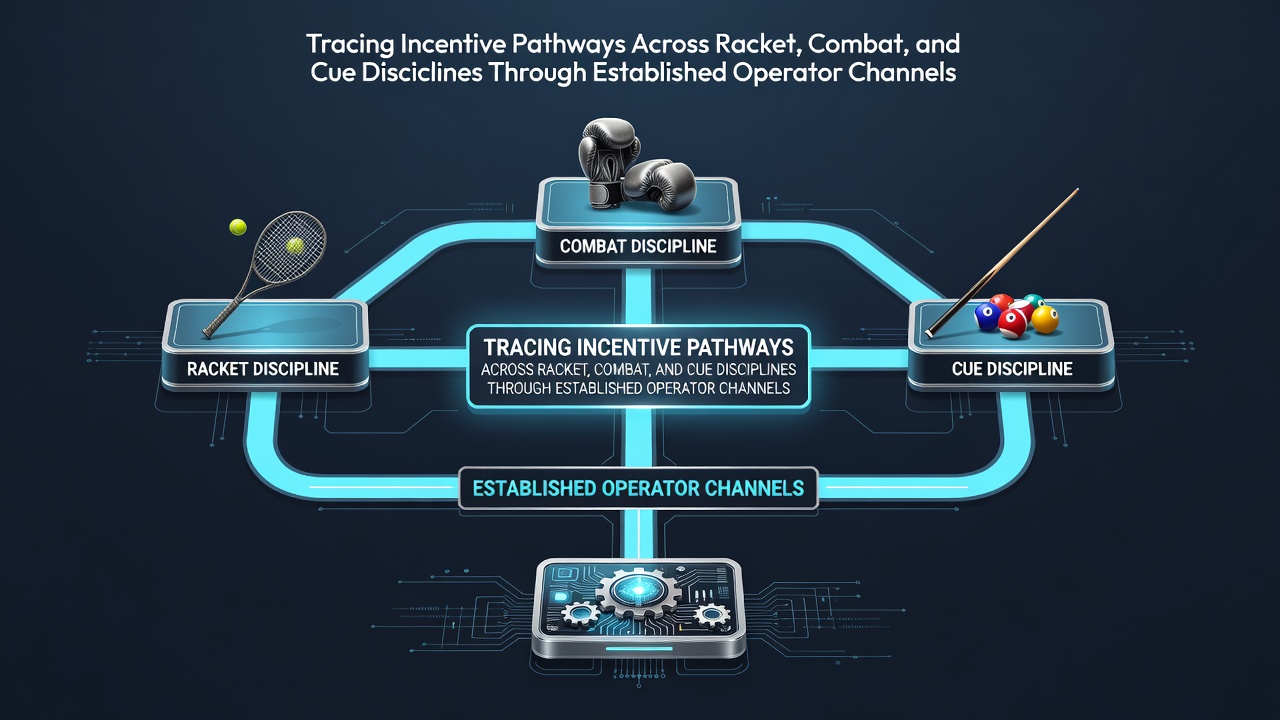
Established operators maintain structured pathways that direct promotional incentives toward racket sports such as tennis, combat disciplines including boxing and mixed martial arts, and cue-based events like snooker and billiards; these channels operate through account-level bonuses, event-specific boosts, and loyalty frameworks that align with major tournament calendars. Data from industry reports shows that operators allocate portions of marketing budgets to these categories based on viewer engagement metrics and participation rates recorded during peak seasons.
Mapping Racket Sport Incentive Flows
Tennis tournaments generate consistent promotional activity because operators link free bet credits and enhanced odds to Grand Slam events and ATP or WTA tours; pathways typically begin with registration bonuses that convert into stake credits for live matches, then extend through cashback offers tied to accumulator bets on set outcomes. Observers note that these mechanisms connect player performance data with betting volume, allowing operators to adjust incentive values in real time during high-profile matches.
Combat Discipline Promotion Structures
Boxing and MMA events follow similar but distinct routes where operators channel incentives through pay-per-view fight cards and regional promotions; sign-up offers often include matched deposits that apply directly to wagers on fight results or round totals, while reload bonuses activate around title defenses scheduled throughout the year. Research indicates that combat sports attract higher average bet sizes, which prompts operators to design pathways that reward repeat engagement with tiered loyalty points redeemable for additional credits.
Cue Sports and Targeted Operator Channels
Snooker and pool competitions receive incentives routed through seasonal ranking events and world championships; operators typically introduce free bet packages that activate on frame-by-frame markets or tournament winners, and these offers integrate with existing account balances via automated credit systems. Figures reveal that cue disciplines maintain steady participation levels across non-peak months, which supports year-round incentive distribution rather than event-only spikes.
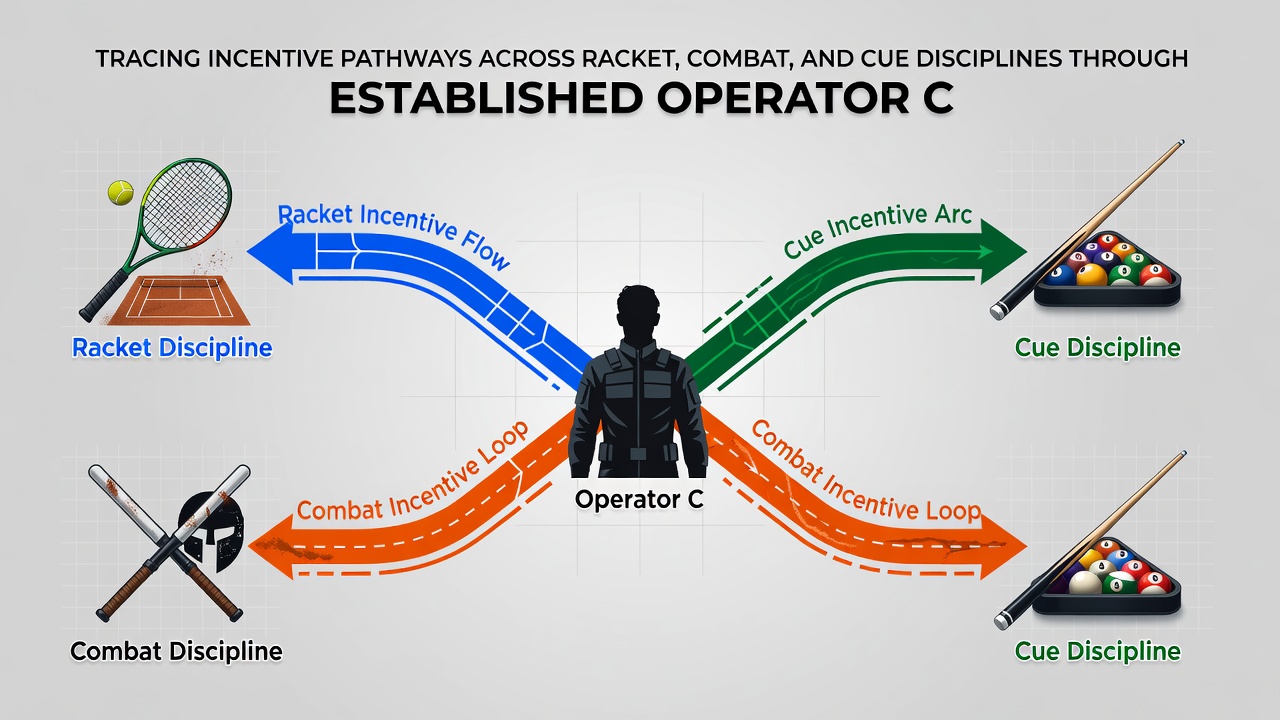
Operators coordinate these pathways across multiple sports by maintaining unified account systems that track user activity in racket, combat, and cue categories simultaneously; this integration allows cross-promotion where credits earned in one discipline transfer to another during overlapping tournament windows. In July 2026, several major tennis and snooker events coincide with combat sport schedules, creating opportunities for operators to deploy combined incentive packages that span all three areas.
Regulatory and Distribution Frameworks
Distribution occurs under oversight from bodies such as the Nevada Gaming Control Board and the Australian Communications and Media Authority, which require operators to document how incentives reach users in different jurisdictions; compliance records show that pathways must include clear eligibility criteria and audit trails for bonus conversions. Industry associations like the International Betting Integrity Association publish guidelines that influence how operators structure these flows to maintain transparency across racket, combat, and cue offerings.
Seasonal Adjustments and Event Integration
Operators adjust incentive values according to event calendars, with larger allocations directed toward Grand Slam tennis weeks or world title fights; cue sport pathways receive steady but smaller boosts during ranking tournaments, while combat events trigger time-limited offers that expire shortly after fight conclusions. Data compiled by academic researchers at the University of Nevada demonstrates that synchronized scheduling across these disciplines increases overall platform retention when incentives link multiple sports within single account sessions.
Conclusion
Tracing these incentive pathways reveals a coordinated system where operators connect racket, combat, and cue disciplines through established registration, loyalty, and event-specific mechanisms; regulatory frameworks and seasonal calendars shape how credits and bonuses distribute to users across different markets. Continued monitoring by oversight agencies ensures these channels remain documented and compliant as event schedules evolve.