18 Jul 2026
The Interconnected Web of Event Wagering: How English Football Seasons Shape Crossovers Into Tennis, Snooker, Boxing and Racing Markets via Platform Perks
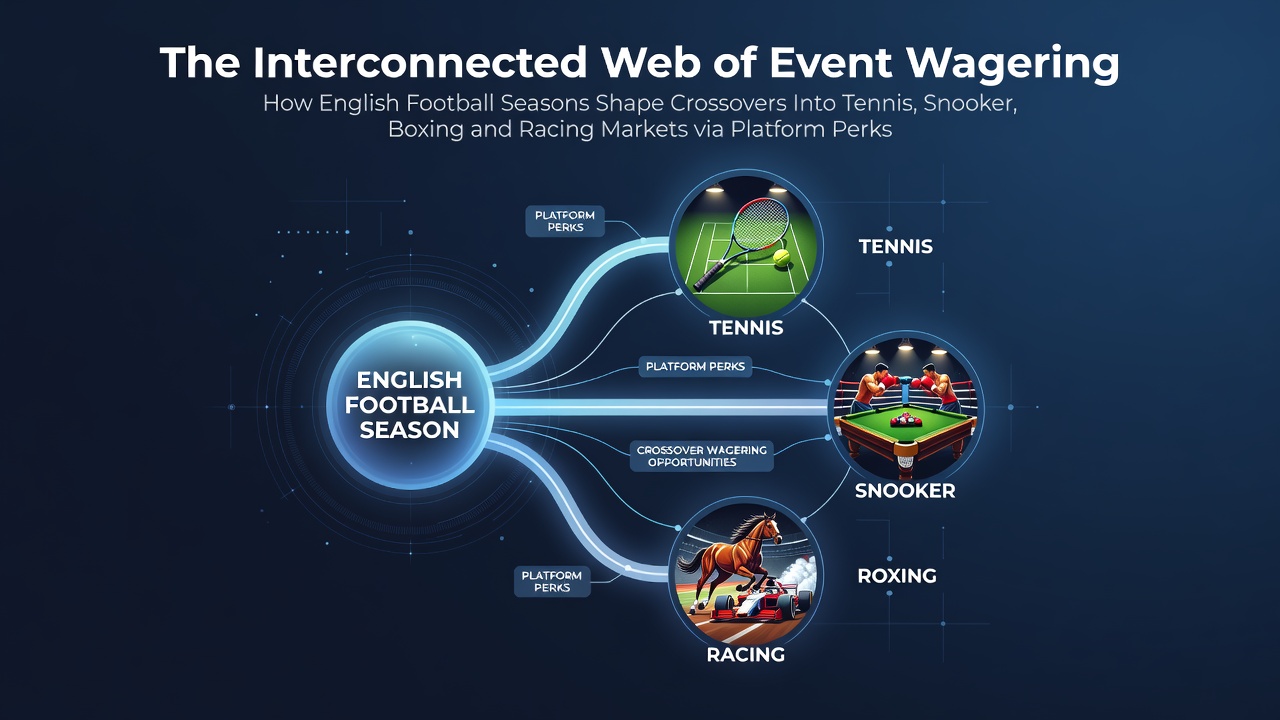 English football seasons generate substantial platform activity that extends beyond domestic leagues and cup competitions, and operators respond by structuring perks which channel user engagement toward tennis, snooker, boxing and racing markets. These crossovers occur because the calendar rhythm of the Premier League, Championship and European fixtures creates predictable spikes in account logins and deposit volumes, and platforms leverage that momentum to highlight concurrent events in other codes. Research from the University of Nevada, Las Vegas Center for Gaming Research shows that integrated sportsbooks record measurable increases in multi-sport wagering when football campaigns reach peak intensity, particularly when deposit-match incentives or enhanced odds apply across categories.
Seasonal Timing and Market Linkages
Football fixtures run from August through May, which overlaps with tennis grand slams, snooker ranking events, boxing title bouts and year-round racing calendars, and platforms exploit these overlaps by bundling promotions. A user who claims a football accumulator bonus may receive an automatic token that converts into a stake on a Wimbledon match or an Ascot race, because the software architecture routes activity across verticals rather than isolating each sport. Data released by the Nevada Gaming Control Board indicates that such routing accounts for a growing share of handle outside the primary football window, and similar patterns appear in reports compiled by Australian state regulators tracking multi-code betting accounts.
July 2026 falls in the pre-season window when English clubs conduct tours and friendlies, yet platforms already activate teaser campaigns that preview the August restart while directing attention to ongoing tennis and racing opportunities. Observers note that these campaigns frequently reference accumulated football loyalty points that unlock reduced margins on snooker frames or boxing undercards, thereby maintaining user retention during quieter domestic periods.
Platform Mechanics Behind the Crossovers
Operators structure perks through unified wallets and single sign-on systems so that football-driven deposits automatically populate eligible markets in tennis, snooker, boxing and racing. When a customer places a qualifying Premier League bet, the platform may trigger a free-to-play predictor game whose prizes include stake credits valid on a forthcoming snooker tournament or a boxing card, and the same mechanism often extends to racing ante-post markets. Industry documentation from the Canadian Gaming Association records that such cross-product triggers increase session duration and reduce single-sport churn, because the software presents the next available event rather than requiring separate navigation.
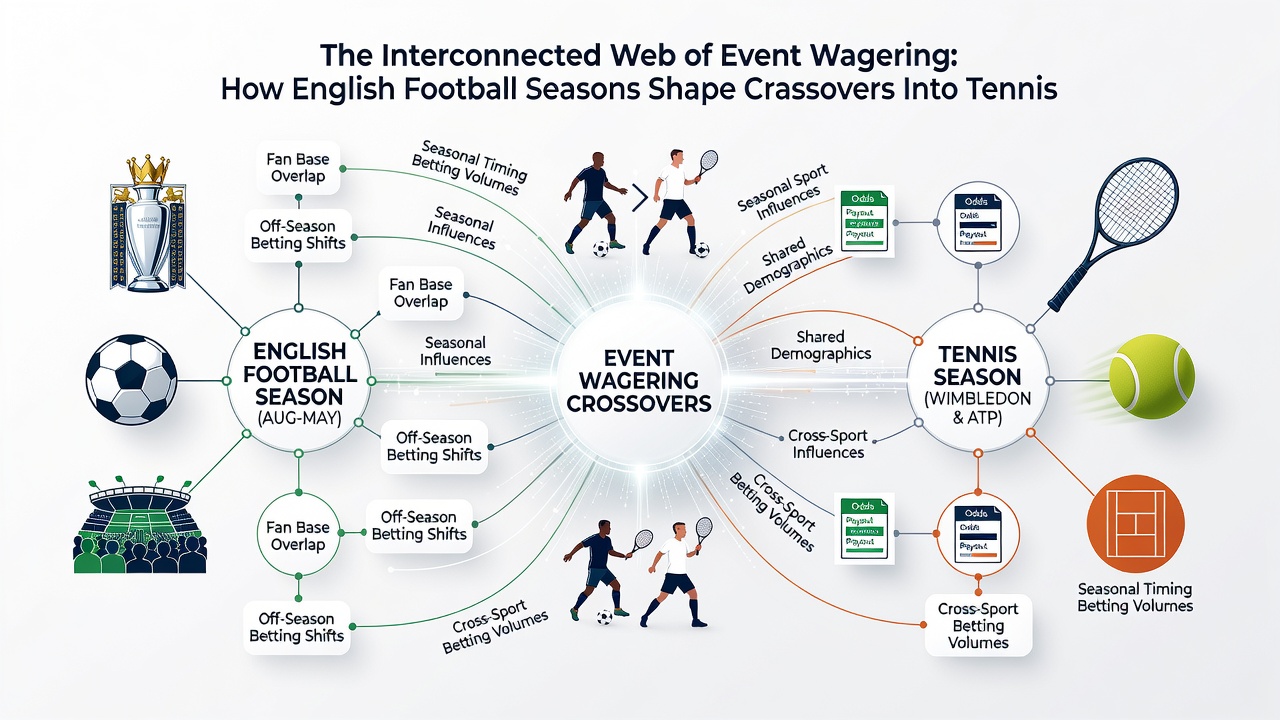
Enhanced odds and cash-out facilities further reinforce the pattern. A cash-out taken on a Saturday football match can be reinvested instantly into an evening boxing bout or a Sunday tennis match, and the interface highlights these options because the underlying risk-management engines treat all sports under one liquidity pool. Figures compiled by the European Betting and Gaming Association illustrate that cash-out volumes migrate across codes when football schedules create gaps, and platforms respond by surfacing equivalent functionality in snooker and racing to keep capital within the ecosystem.
Regulatory and Data Context
Regulators in multiple jurisdictions monitor these linkages to ensure promotions remain within responsible-gaming parameters. The Nevada Gaming Control Board requires operators to disclose how football-derived bonuses convert into other markets, while Australian state commissions track whether cross-sport incentives alter problem-gambling indicators. Academic analyses from the University of Sydney Business School have examined transaction logs and found that football season peaks correlate with elevated multi-sport activity rather than isolated football spikes, suggesting the interconnected structure influences overall participation patterns.
Operators adjust perk structures seasonally because football generates the largest single-sport handle in many territories, and the residual traffic supports thinner-margin events such as snooker and lower-profile boxing cards. Racing markets benefit similarly when football fixtures finish early in the evening, allowing platforms to route users toward late-night or next-day meetings with carry-over bonuses.
Conclusion
The English football calendar therefore functions as a central node that platforms use to sustain activity across tennis, snooker, boxing and racing through shared wallets, convertible perks and unified interfaces. Data from regulatory filings and academic studies confirm that these mechanisms operate consistently across seasons, with July 2026 expected to follow the same pattern of pre-season football messaging directing attention to concurrent summer events in other codes. The structure remains intact because football volumes provide the scale that makes cross-market incentives commercially viable for operators operating under varied regulatory frameworks.