1 Jun 2026
Seasonal Alignments Between English Football and Racing Through Platform Reward Systems
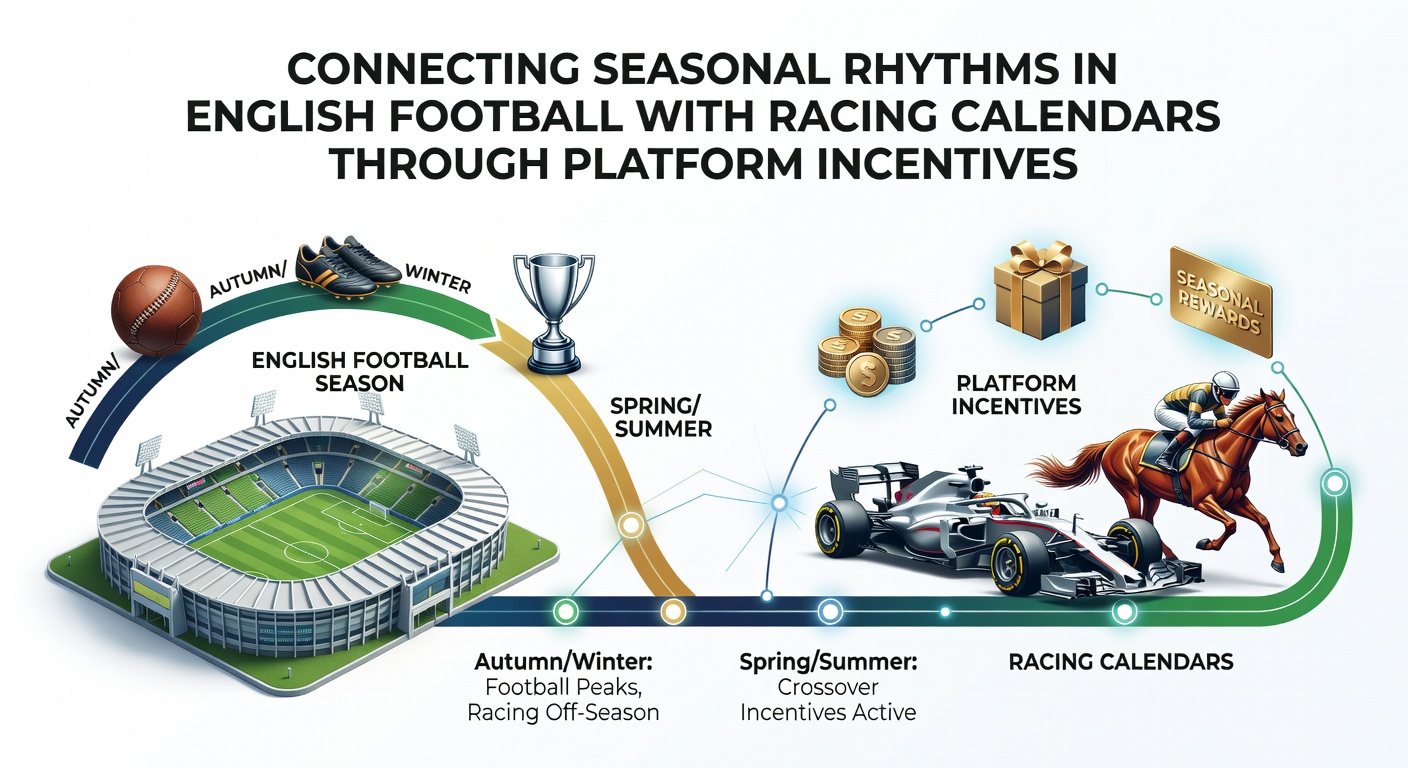
English football operates on a fixed annual cycle that runs from August through May, with the Premier League and EFL competitions forming the core structure while cup tournaments create additional fixture clusters, and observers note that horse racing follows distinct patterns where the flat season spans March to November and the National Hunt calendar dominates the winter months, creating natural transition points that betting platforms exploit through targeted incentives.
These overlapping rhythms generate specific windows where operators adjust their promotional structures to maintain user engagement across both sports, and data from industry tracking shows that platforms coordinate bonus releases with fixture announcements to capture attention during periods when one sport winds down and another intensifies.
Calendar Structures and Overlap Points
Football seasons conclude with major finals in late May, after which a brief hiatus allows attention to shift toward summer racing festivals, whereas the jumps season builds momentum through December and January before tapering in spring, and platform operators time their incentive campaigns to bridge these gaps by offering cross-sport rewards that activate when users engage with content from either discipline.
June stands out as a low-intensity period for both codes, with pre-season friendlies and early flat meetings providing limited activity, yet in June 2026 the calendar alignment will feature several high-profile summer racing events coinciding with international football windows that include Nations League fixtures, and analysts track how operators use this convergence to deploy loyalty multipliers and deposit incentives.
Platform Incentive Mechanisms
Betting platforms structure their rewards around seasonal transitions by linking football accumulator bonuses to enhanced payouts on racing ante-post markets, and this approach allows users to carry engagement from one sport into the next without resetting activity patterns, while technical integrations such as unified account dashboards display both football and racing options side by side.
Evidence from market reports indicates that operators increase the frequency of free bet credits during the May to June handover period, and the same pattern repeats when the flat season ends and winter racing begins, creating predictable cycles that users learn to anticipate through repeated exposure to the same promotional sequences.
Regional Regulatory Context and Data Sources
Regulatory frameworks in different jurisdictions shape how these incentives operate, and the Australian Competition and Consumer Commission has published guidelines on promotional transparency that influence how operators present cross-sport offers to international audiences, whereas European industry bodies have examined similar coordination strategies through aggregated market studies.
Research conducted by academic institutions, including work from the University of Nevada on seasonal betting behavior, reveals measurable spikes in platform activity when football and racing calendars intersect, and those findings align with observed patterns in English markets where operators adjust bonus values to match fixture density.
Practical Examples of Calendar-Driven Promotions
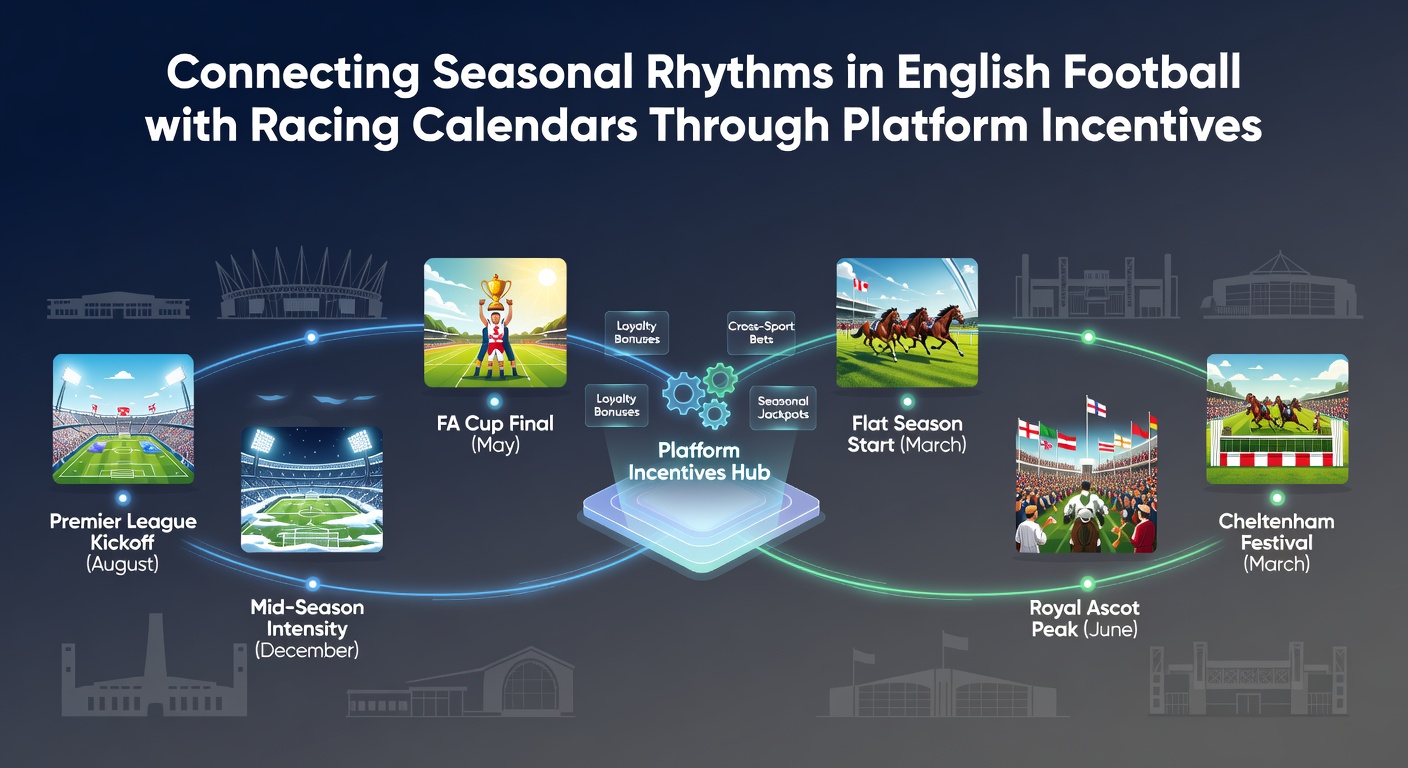
One documented case involves platforms releasing enhanced racing bonuses immediately after the FA Cup final, timed to capture users whose football engagement has peaked, and the same operators later activate football-specific deposit matches once the Cheltenham Festival concludes, demonstrating a deliberate sequencing that follows the natural ebb and flow of each sport's calendar.
Another pattern emerges around international breaks, where midweek football fixtures create short engagement spikes that operators extend by offering same-week racing credits, and this method maintains continuous user interaction across the full twelve-month cycle rather than allowing activity to drop during quieter intervals.
Future Calendar Considerations
Looking ahead to 2026, the fixed dates of major football tournaments and the established pattern of racing festivals mean that operators can plan incentive structures with increasing precision, and those who monitor fixture releases from the Premier League and the British Horseracing Authority gain advance notice of optimal windows for reward deployment.
Platform systems already incorporate automated triggers based on season start and end dates, which reduces manual intervention while ensuring that promotions activate at the exact moments when seasonal rhythms shift, and this technical capability supports consistent execution across multiple calendar years.
Conclusion
The connection between English football seasons and racing calendars through platform incentives rests on predictable fixture patterns and coordinated reward timing, and operators continue to refine these systems as calendar data becomes more accessible and user behavior patterns more clearly documented through aggregated statistics.