Punts, Pixels, and New Rules: Navigating the UK's Betting Buzz
15 Apr 2026
UK Gambling Reforms Face Fierce Backlash Over Intrusive Affordability Checks

The Push for Stricter Gambling Controls
The Gambling Commission in the UK has proposed sweeping reforms aimed at tackling problem gambling, including mandatory affordability checks that demand punters submit financial documents such as bank statements, much like those required for mortgage applications; these checks, set to roll out in phases with full implementation by April 2026 for stakes over certain thresholds, seek to verify whether bettors can truly afford their wagers without dipping into essential funds.
Under the plans, operators would need to assess a punter's disposable income before allowing bets above £100 per month initially, ramping up scrutiny for higher rollers, and while the Commission argues this protects vulnerable players from financial ruin, the measures have ignited a firestorm of resistance from everyday bettors who see them as an overreach into personal privacy.
Turns out, the devil's in the details here; punters might face delays or outright denials if their spending on groceries, bills, or rent raises red flags during these digital interrogations, and that's where the real friction starts building.
Punters Draw a Line at Sharing Bank Details
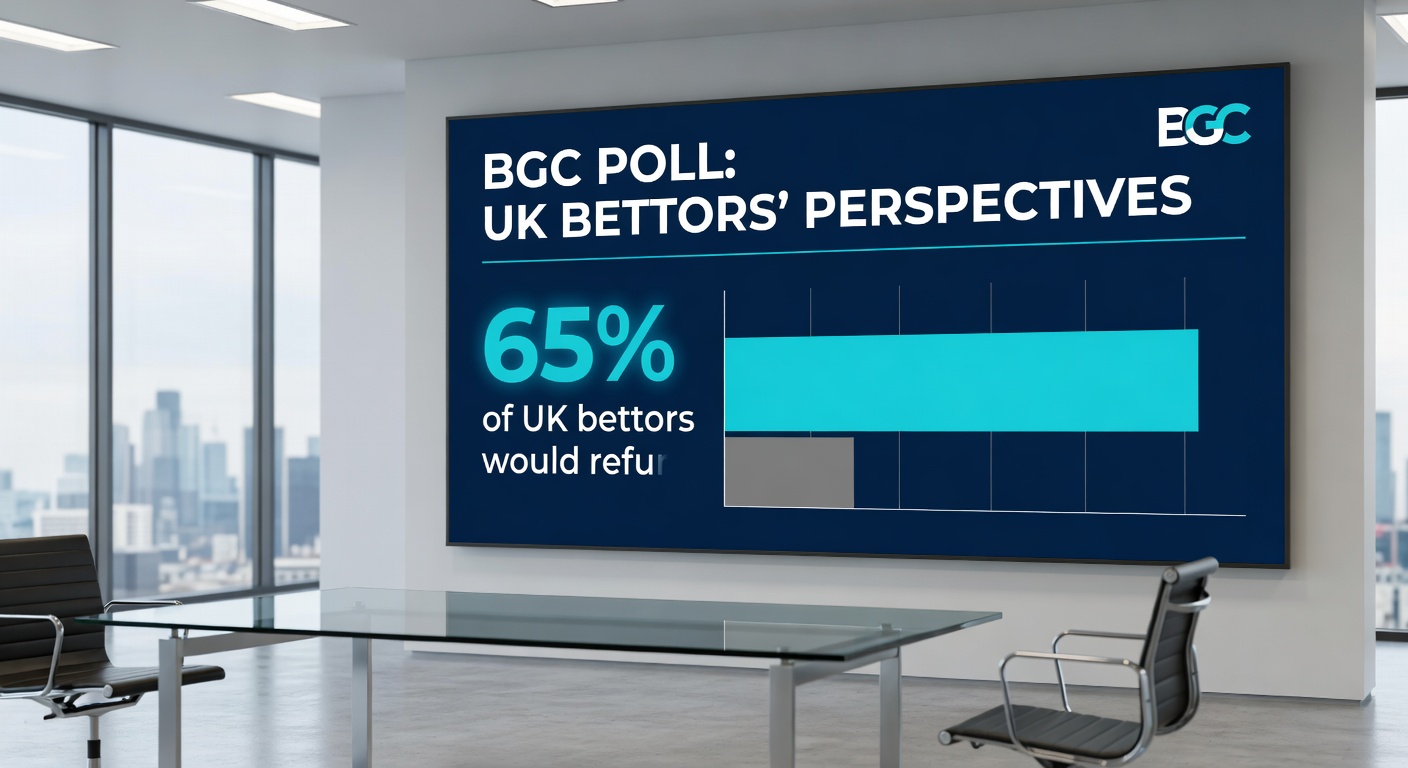
A survey by the Betting and Gaming Council polled more than 2,000 punters and revealed nearly two-thirds unwilling to hand over such sensitive financial information, with many citing privacy concerns and the sheer hassle of digging through statements every time they want to place a bet; data indicates 65% flat-out refused, preferring to walk away rather than comply.
Even the Gambling Commission's own research, drawn from 12,000 frequent gamblers, underscores this divide, as over three-quarters voiced opposition to the checks, highlighting how these measures could deter casual participants who bet responsibly yet balk at bureaucratic hurdles.
What's interesting is how this opposition spans the spectrum; weekend football punters, horse racing enthusiasts, even occasional casino players all echo the same sentiment, that proving affordability shouldn't feel like applying for a loan just to enjoy a flutter.
And here's the thing: those who've tested similar frictionless systems abroad note quicker drop-offs in engagement, suggesting the UK's plans might chase away law-abiding customers straight into unregulated shadows.
Racing Industry Sounds the Alarm
More than 400 figures from British horse racing, including trainers, jockeys, and stable staff, have penned an urgent letter to Culture Secretary Lisa Nandy, imploring her to scrap the policy before it unleashes chaos on the sport they sustain; they warn of £250 million in lost revenue over five years, thousands of job cuts across tracks and stables, and a dangerous drift toward illegal betting markets where protections vanish entirely.
The reality is stark: horse racing relies heavily on gambling levies, with bettors fueling prize money and operations, so if affordability checks slash turnover by even 20-30% as projected, smaller trainers could fold while black-market bookies swoop in unchecked.
Take one case where experts modeled the impact; a drop in onshore betting sends ripples through the ecosystem, hitting everything from farrier services to hospitality at racecourses, and while the Commission insists safeguards exist, industry leaders counter that the cure risks killing the patient.
Observers note how similar checks in other sectors, like peer-to-peer lending, drove users offshore, and punters who've faced mortgage-style verifications already grumble about the time sink, often abandoning applications midway.
Details of the Proposed Checks Unpacked
These affordability assessments wouldn't stop at self-reported income; operators must demand proof via bank statements, payslips, or credit reports for anyone netting losses over £1,000 in 30 days or hitting higher monthly thresholds, escalating to full credit checks for big-spending VIPs come April 2026.
But here's where it gets interesting: the Gambling Commission envisions a tiered system, starting with soft prompts for low-risk punters while hammering high-stakes players with document uploads, yet research from focus groups shows even moderate bettors resent the intrusion, fearing data breaches or judgmental algorithms misreading their finances.
Data from the BGC survey paints a vivid picture, 68% of respondents deemed the checks "too invasive," with 52% saying they'd cut back on betting altogether, and that's before considering the tech glitches or delays that plague similar ID verification rollouts.
So, punters who wager on Cheltenham or the Grand National might find themselves sidelined, uploading months of statements just to back a favorite, while the racing industry's letter emphasizes how this erodes the sport's lifeblood without curbing addiction among the truly at-risk.
Government and Regulator Stance Amid the Storm
Lisa Nandy, as Culture Secretary, now holds the reins on whether these reforms advance, with the racing coalition's plea landing amid a consultation period that's drawing record submissions; the Gambling Commission stands firm, citing evidence that unchecked gambling fuels debt spirals, but concedes tweaks based on feedback to balance protection and participation.
Yet, figures reveal a growing chorus; over 400 signatories isn't just noise, it's a sector-wide revolt warning that £250 million evaporates fast when bettors bolt, jobs follow suit, and illegal operators thrive in the vacuum.
People who've studied regulatory overhauls, like Australia's 2017 cap on credit betting, often discover mixed results where compliance costs soar and underground markets bloom, and UK stakeholders fear a repeat unless Nandy intervenes decisively.
Now, with April 2026 looming as the deadline for enhanced checks on stakes above £500 monthly, the pressure mounts for compromise, perhaps remote ID verification without full financial disclosure, though the Commission resists softening its stance.
Broader Implications for Bettors and Operators
Operators face a squeeze too, compelled to build costly compliance systems that verify documents in real-time, potentially hiking margins or passing fees to punters, and while the BGC pushes for proportionality, the Commission's blueprint prioritizes prevention over convenience.
It's noteworthy that Gambling Commission data from 12,000 gamblers shows 76% opposing mandatory checks, yet regulators point to voluntary trials where early interventions curbed harm; still, the punter surveys suggest mass non-compliance, with two-thirds ready to quit rather than share.
One study highlighted how such frictions amplify for lower-income households, where bank statements expose more than just betting habits, they reveal rent struggles or child benefits, turning a simple wager into a privacy minefield.
And as the racing letter details, the £250 million hit over five years threatens 10,000 jobs, from stable lads to track stewards, underscoring how gambling reforms ripple far beyond the betting slip.
Conclusion
The backlash against the Gambling Commission's affordability checks boils down to a clash between player protection and practical realities, with punter surveys showing overwhelming resistance, racing leaders forecasting economic carnage, and April 2026 marking a potential tipping point; data from over 2,000 BGC respondents and 12,000 Commission participants paints a clear picture of reluctance, while the 400-strong plea to Lisa Nandy amplifies fears of revenue shortfalls, job losses, and black-market booms.
Ultimately, stakeholders watch closely as consultations unfold, hoping for reforms that safeguard without strangling the industry that millions enjoy responsibly; the ball's now in the government's court, and the coming months will decide if these checks launch as planned or pivot toward less intrusive alternatives.