10 Jun 2026
Layered Reward Frameworks Aligned with Annual Sporting Fixtures in Britain's Multi-Sport Wagering Markets
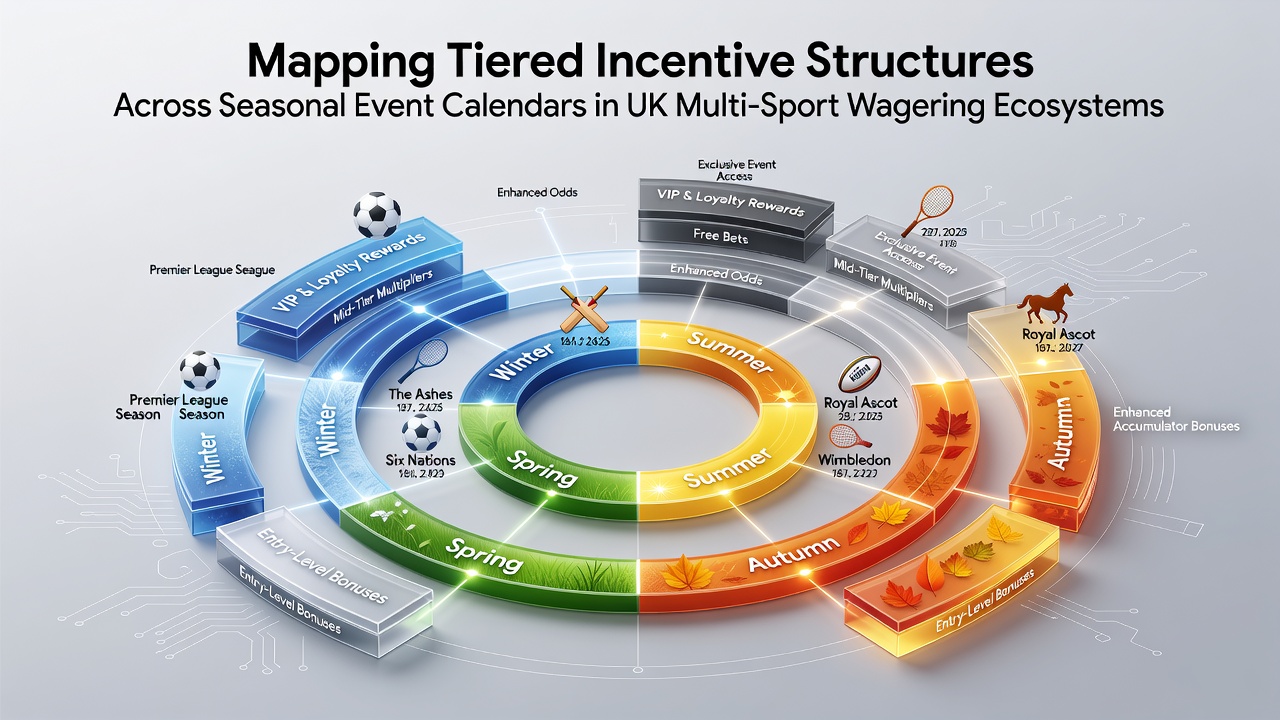
UK multi-sport wagering platforms organize promotional structures around recurring seasonal calendars that include Premier League campaigns, Cheltenham Festival weeks, Wimbledon fortnight schedules, and summer cricket test series, creating predictable windows where operators adjust loyalty tiers, deposit matches, and cashback percentages. Data from industry reports shows these adjustments follow patterns tied directly to fixture density rather than random timing, with higher tiers unlocked during overlapping events such as late March when football and horse racing calendars intersect.
Seasonal Calendars Driving Incentive Timing
Football seasons run from August through May while the flat racing calendar peaks between March and October, and these overlaps force operators to layer rewards so users progress through bronze, silver, and gold status based on cumulative stakes across multiple sports. Observers note that June periods often feature reduced football activity yet increased tennis and golf events, prompting platforms to shift focus toward accumulators and enhanced odds on those markets to maintain engagement levels.
By June 2026 the FIFA World Cup group stage fixtures will dominate international calendars, coinciding with Royal Ascot and early county cricket matches, which historically leads operators to introduce cross-sport progression bonuses that credit points earned from both football accumulators and racing win bets toward unified tier advancement. Research indicates such combined structures increase retention metrics during traditionally quieter domestic football months.
Structure of Tiered Systems
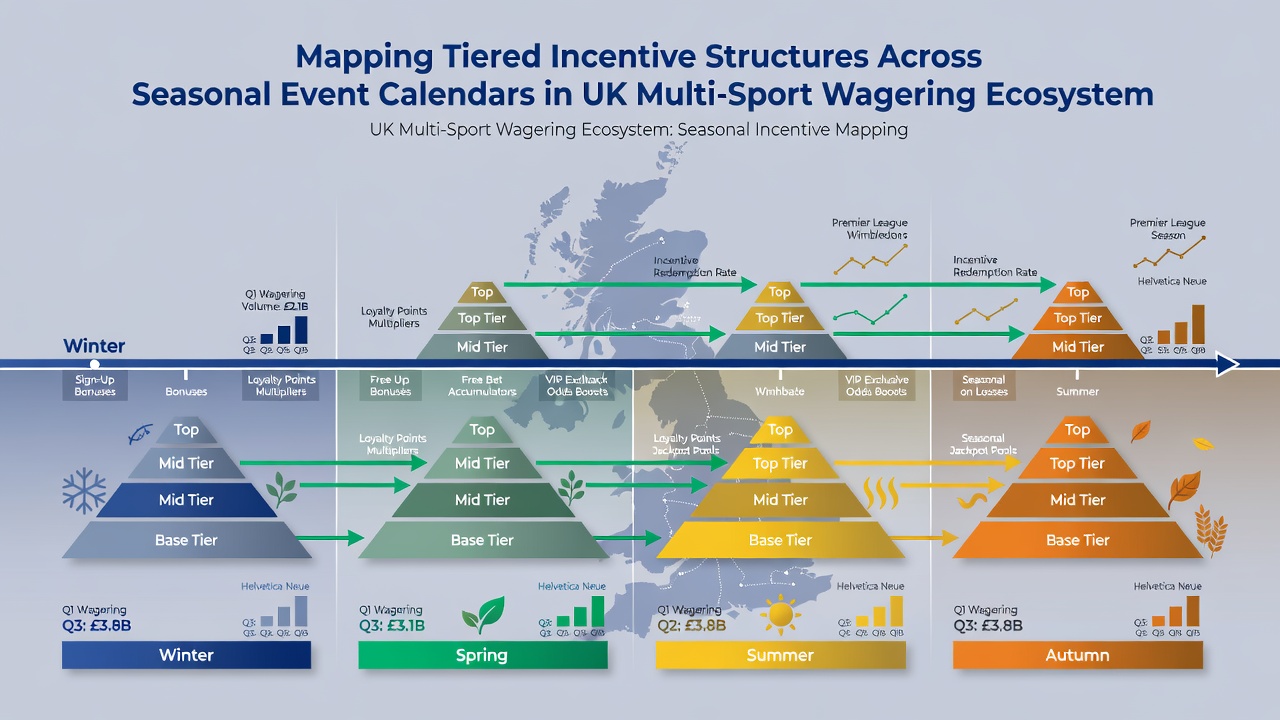
Entry-level tiers typically grant basic free bet tokens after modest deposit thresholds while mid-level status unlocks percentage cashback on losses and priority access to price boosts during high-volume weekends. Top tiers add personalized account managers alongside accelerated withdrawal processing and exclusive tournament-style competitions that award additional credits scaled to seasonal event participation. Figures from platform disclosures reveal that progression thresholds rise during dense fixture clusters because operators calibrate requirements to expected bet volumes rather than fixed annual targets.
Mapping Examples Across Key Periods
During the January transfer window and corresponding jumps season, several operators map deposit-match offers to simultaneous football and National Hunt activity, allowing users to meet tier criteria through either sport. One documented case involved a silver-to-gold jump requiring £500 in combined qualifying stakes split across Premier League matchdays and Cheltenham trials, with automatic upgrades applied once verified. Similar mappings appear ahead of summer tennis majors where cricket and golf markets fill gaps in the football calendar.
What's notable is how operators use calendar data to predict overlap intensity, then pre-load tier benefits that activate automatically when users hit volume markers during those windows. This approach avoids manual claims and instead ties rewards directly to verified activity logs across integrated sportsbooks.
Regulatory Context and Reporting Patterns
According to information published by the Responsible Gambling Council, tiered structures must remain transparent about progression criteria so participants understand exactly how stakes convert into status benefits. Australian government data from the Australian Communications and Media Authority shows comparable calendar-aligned systems in other jurisdictions produce measurable shifts in user activity when events cluster, supporting the observation that UK platforms follow similar logic without exceeding local compliance boundaries.
Platform analytics further indicate that June 2026 will likely see expanded cricket and golf incentives as football attention moves overseas, creating fresh mapping opportunities for operators who already maintain unified loyalty ledgers across their multi-sport offerings. Those ledgers record points from every verified bet type and convert them into tier status that persists through seasonal transitions rather than resetting at arbitrary dates.
Conclusion
Mapping tiered incentives against seasonal event calendars reveals a systematic approach where operators adjust thresholds and benefits in response to fixture density across football, racing, tennis, and cricket. The resulting structures allow participants to advance status through consistent activity spread over multiple sports, with June 2026 positioned as another period where international tournaments and domestic racing will test the adaptability of these layered frameworks. Data continues to show that transparent, calendar-driven progression maintains engagement while satisfying reporting requirements from oversight bodies in multiple regions.