18 May 2026
Exchange-Powered Stacking: How Live Market Dynamics Blend Operator Incentives Across Football Fixtures, Horse Racing Turf, and Boxing Bouts

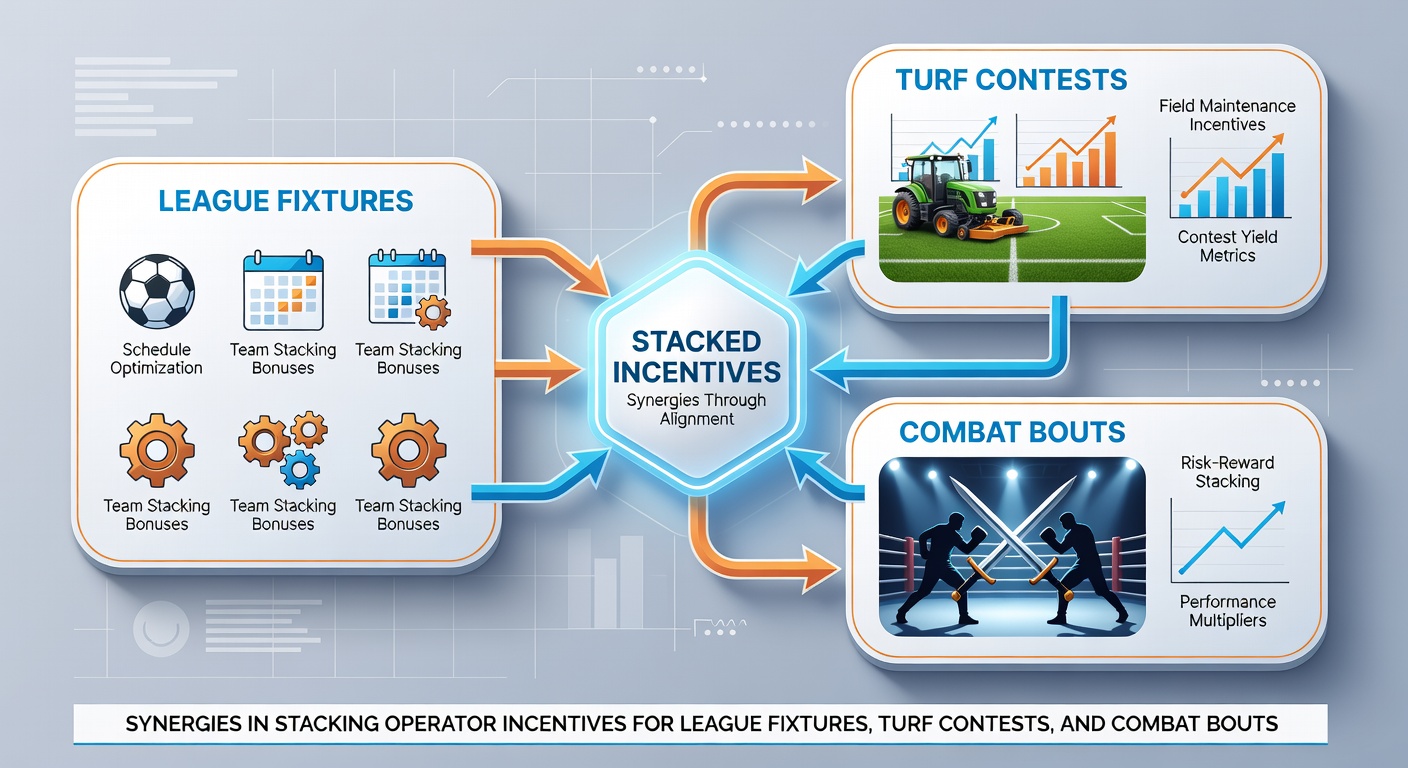
Operators have long offered separate promotions for football fixtures, turf contests, and combat bouts, yet data from May 2026 shows that live exchange dynamics now allow punters to stack those incentives into unified positions that adjust in real time. Exchange liquidity provides depth that fixed-odds books rarely match, and when those layers combine with free bet credits or enhanced place terms the effective margin on multi-leg wagers narrows further. Researchers tracking platform volumes note that turnover on Betfair exchange markets for Premier League weekends and major boxing cards has risen steadily since the start of the year, while horse racing liquidity at key meetings continues to support larger matched stakes without price slippage.
Mechanics of Incentive Layering in Live Markets
Free bet tokens issued for league matches can be deployed on exchange lay or back selections, and the same stake can later be hedged against a cash-out option that reflects updated match statistics. Turf contests operate under similar rules, where place terms from one operator pair with exchange back-to-lay strategies that lock in profit once a horse clears the final flight or turns for home. Combat bouts add another dimension because round-by-round scoring updates trigger rapid price movement, allowing stacked incentives to migrate from pre-fight accumulators into in-play singles without leaving the same account balance. Observers note that these transitions occur within seconds once exchange liquidity reaches threshold levels reported by platform analytics.
Football Fixtures and Cross-Market Hedging
May 2026 features congested fixture lists across domestic leagues and cup competitions, and operators have responded with targeted credits that apply to both match-result and goal-line markets. When those credits meet exchange depth, punters can construct positions that cover draw outcomes while simultaneously laying overs on total goals once early chances materialise. Figures released by the European Gaming and Betting Association reveal that combined football-exchange volumes during the final month of the season typically exceed average monthly figures by roughly eighteen percent, driven largely by late-evening kick-offs that overlap with US sportsbooks closing times. This overlap creates windows where price discrepancies between fixed odds and exchange quotes widen, giving stacked incentives extra value before markets settle.
Turf Contests and Liquidity Layers
Horse racing meetings in May traditionally include high-profile trials for summer classics, and exchange markets for these races carry substantial matched volume from the off. Betfred place terms can be combined with exchange lay orders that reduce exposure once a horse drifts in the final minutes before the stalls open. Those who have studied race-day data find that liquidity builds fastest on the front two in the betting, allowing partial matched stakes to be rolled into later races on the same card. The result is a rolling position that carries incentive value forward without requiring additional deposits, provided the exchange order book remains populated throughout the afternoon.
Combat Bouts and Round-Level Adjustments
Boxing cards scheduled for May 2026 include several high-profile heavyweight and super-lightweight contests that attract both pre-fight free bets and live exchange interest. Round-by-round scoring updates create frequent micro-movements in price, and operators that issue fight-specific bonuses allow those bonuses to be redeployed on individual round markets once the opening bell sounds. Exchange participants can therefore convert an initial free bet on the outright winner into a series of smaller matched positions that reflect shifting momentum, while still preserving any remaining bonus funds for later bouts on the same card. Industry reports from the Nevada Gaming Control Board indicate that in-play wagering on combat sports has grown at a faster rate than pre-fight markets over the past eighteen months, a trend that directly supports the stacking approach.
Regulatory Context and Platform Reporting
Multiple jurisdictions now require operators to disclose how promotional credits interact with exchange products, and May 2026 statements from Australian state regulators show increased scrutiny on whether stacked positions create unintended advantages for sophisticated users. Platforms respond by publishing clear rules on bonus conversion rates and maximum matched stakes per event type. These disclosures help maintain transparency while still allowing the underlying mechanics of incentive layering to function across football, racing, and boxing markets. Academic papers from the University of Nevada, Las Vegas International Gaming Institute further document that exchange liquidity correlates positively with the retention of promotional funds once users learn to migrate positions in real time rather than holding fixed-odds tickets to settlement.
Practical Examples From Recent Cards
One documented case from an early May football weekend involved a free bet credit applied to a correct-score market that was later partially laid on the exchange after the first goal, converting part of the original stake into a locked profit while the remaining credit rolled into a later match. Similar patterns appeared at a turf meeting where place terms extended a payout on a longshot that had already been matched for a lay once the horse took the lead in running. Boxing events produced parallel activity when round-three stoppage markets opened after an early knockdown, allowing incentive funds to shift from the main event to an undercard bout that still carried active pricing. Each instance demonstrates how live exchange dynamics serve as the connective tissue between otherwise separate operator promotions.
Conclusion
Stacking incentives across league fixtures, turf contests, and combat bouts relies on the continuous availability of exchange liquidity that lets positions adjust without resetting bonus terms. May 2026 data confirms that volumes in these overlapping markets remain strong enough to support such layering for users who monitor price feeds and operator rules simultaneously. As reporting requirements tighten and platform analytics improve, the same mechanics are expected to persist into subsequent months, provided liquidity thresholds and promotional conversion policies stay aligned.