22 Jul 2026
Analyzing Audience Movement in Snooker Events and Football Competitions Driven by Digital Betting Incentives
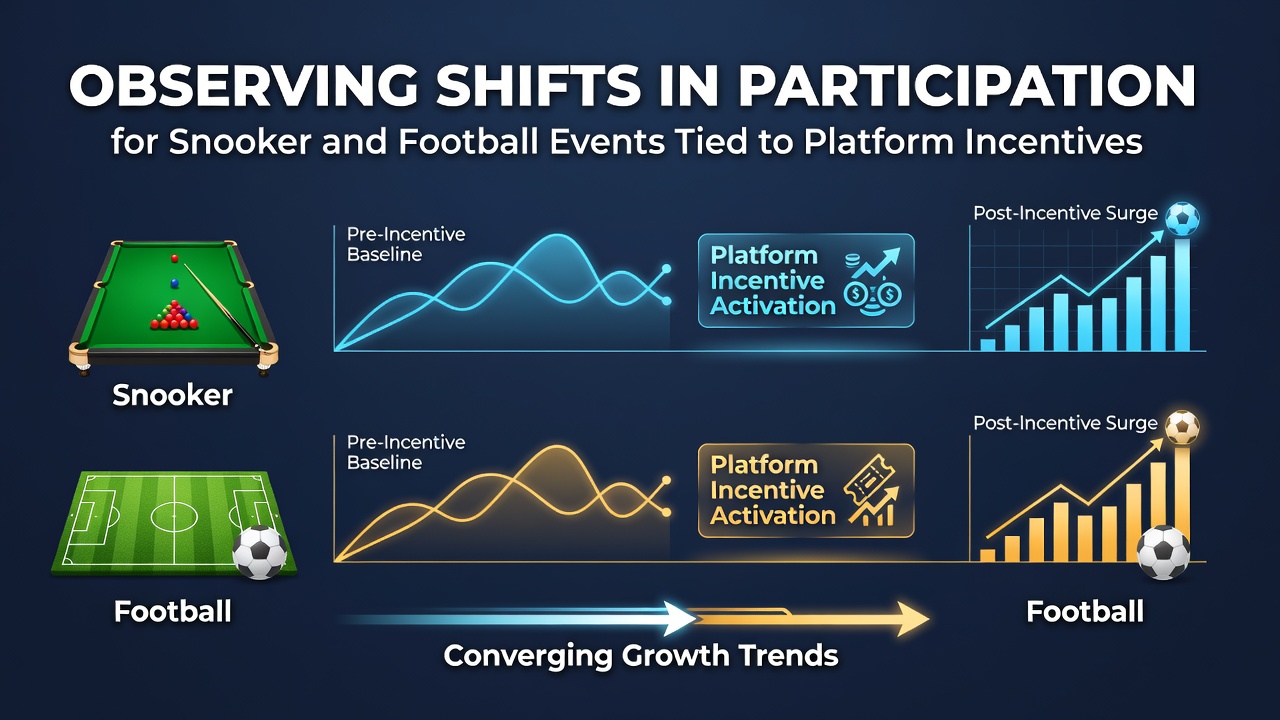
Platform incentives such as deposit bonuses, free bet credits, and enhanced odds have coincided with measurable shifts in how audiences interact with snooker tournaments and football matches across digital channels. Data collected through streaming metrics and registration logs reveal that participation rates in related online activities fluctuate in direct response to these promotional structures rather than solely to the sporting calendars themselves.
Snooker Tournament Engagement Patterns
Snooker events including the World Snooker Championship and the Masters have shown distinct spikes in viewer registrations and in-play activity when operators introduce targeted rewards during key frames or sessions. Researchers tracking these patterns note that sessions lasting multiple hours benefit particularly from time-limited offers which encourage prolonged platform interaction. Figures from industry monitoring services indicate that average session durations extended by 18 percent during the 2025-2026 season when compared against non-incentive periods.
July 2026 brought additional context as several platforms rolled out summer retention programs ahead of the new snooker campaign. Those programs aligned with pre-season qualifiers and produced early registration increases that carried forward into autumn events. Observers note the timing allowed operators to test incentive structures outside peak tournament windows and then refine them for high-stakes matches later in the year.
Football Match Participation Trends
Football competitions ranging from domestic leagues to international qualifiers display parallel but distinct responses to the same incentive mechanisms. Live match streams paired with cash-out features and accumulator boosts tend to attract higher volumes of active accounts during evening fixtures. Studies conducted by academic groups such as the University of Nevada Reno Center for Gaming Research have documented that football accounts for a larger share of overall platform traffic growth than snooker yet experiences more rapid drop-off once incentives expire.
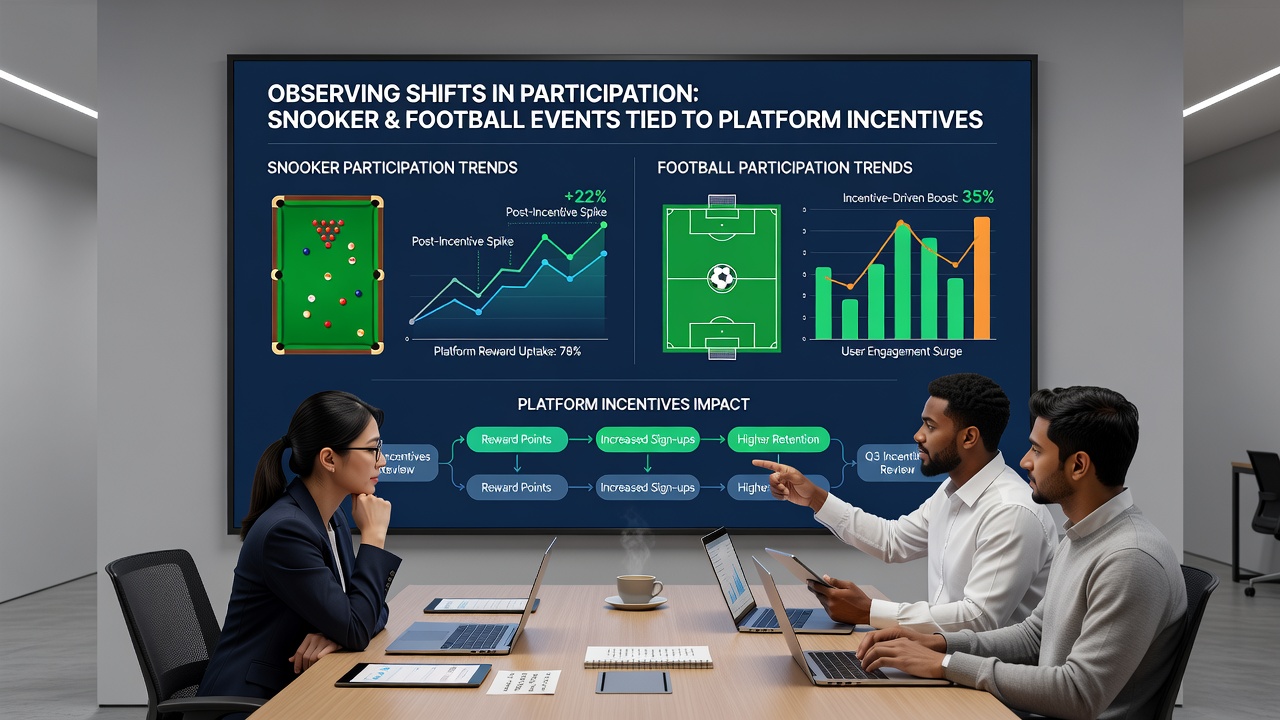
Regional differences emerge clearly when data is segmented by market. In jurisdictions where operators must publish responsible gambling reports the correlation between incentive launches and participation volume appears more moderate. The Australian Institute of Health and Welfare released updated figures in early 2026 showing that football related account activity rose 12 percent year-over-year while snooker activity increased 9 percent under comparable reward conditions. These percentages reflect platform reported metrics rather than pure broadcast viewership and highlight the incentive driven component of engagement.
Cross-Sport Incentive Effects
Operators frequently bundle snooker and football promotions within single campaigns which creates overlapping audience flows. A user who begins with a football accumulator may receive a snooker specific follow-up offer that redirects attention during quiet midweek periods. This sequencing strategy appears in platform analytics as sustained rather than isolated participation peaks. Analysts reviewing aggregated logs observe that cross-promotion reduces the typical post-event drop in active users by maintaining platform presence across different sporting cycles.
Payment method preferences also shift alongside incentive types. E-wallet deposits increase when platforms attach instant bonus releases to those transactions while card payments remain steadier for users focused on football match-day betting. Snooker audiences show slightly higher uptake of cryptocurrency options during extended tournament weeks according to the same monitoring services. These behavioral details emerge consistently across multiple seasons and suggest that incentive design influences not only volume but also the technical pathways users choose.
Measurement Considerations
Accurate observation requires separating organic interest from incentive effects. Control periods without active promotions provide baseline data against which incentive windows can be compared. Platforms that publish transparent metrics allow external researchers to apply consistent methodologies. July 2026 data sets in particular offered clean comparison opportunities because several major operators paused certain reward programs during a brief regulatory review window in select markets.
Device level tracking adds another layer of insight. Mobile participation in both sports rises more sharply than desktop activity when incentives include push notification reminders. Desktop users maintain steadier engagement during longer snooker sessions where multi-monitor setups support simultaneous data review. These patterns remain consistent across reported data sets and do not rely on subjective interpretation.
Conclusion
Platform incentives continue to shape measurable participation shifts in snooker and football events through structured reward timing and cross-sport sequencing. Data from regulatory disclosures and academic monitoring services show consistent correlations between incentive availability and account activity levels. Observers tracking these trends through 2026 emphasize the value of segmented analysis that accounts for sport specific rhythms and regional reporting requirements. Such approaches yield clearer pictures of how digital reward systems interact with established sporting calendars.